Electric vs. Gas in 2026: Which Car is Truly Cheaper to Own?
 Marcus Green
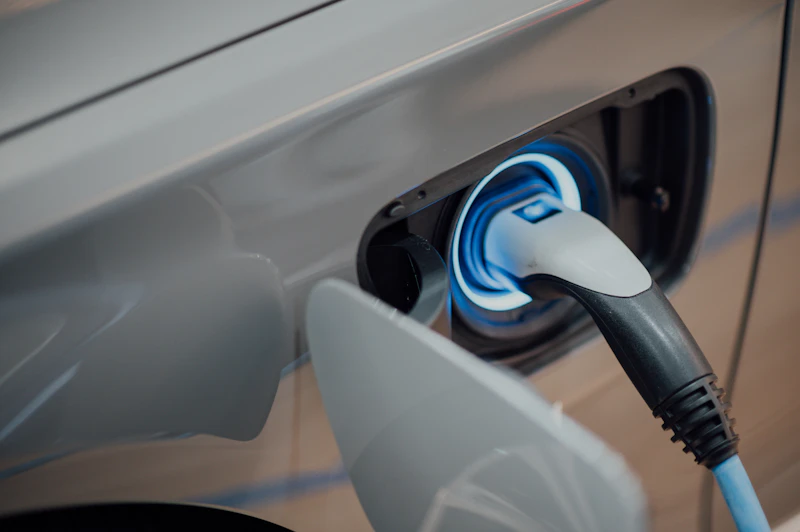
Marcus here. If you're in the market for a new car right now in 2026, you're probably facing the ultimate modern dilemma: do you stick with what you know (gas) or make the leap to electric? It's a question I get asked constantly by friends and readers alike. The landscape has changed a lot since the early 2020s, so let's break down the real, long-term costs.
The Upfront Cost Illusion
The debate between electric vehicles (EVs) and internal combustion engine (ICE) cars often centers around the initial purchase price. While EVs historically had a much higher sticker price, the gap has narrowed significantly in 2026. With more affordable models hitting the market and various tax incentives still in play in many regions, the upfront cost is less of a barrier. However, you have to look past the dealership lot and consider what the car will cost you over the next five to ten years.
Fuel and Maintenance Savings
Electricity is generally much cheaper than gasoline, and EV charging costs are significantly more stable than the wildly fluctuating prices at the pump. Furthermore, EVs have fewer moving parts. This means no oil changes, fewer brake replacements (thanks to regenerative braking doing most of the work), no spark plugs to replace, no timing belts to snap, and less overall maintenance.
- Average yearly gas cost (15,000 miles): ~$1,800 to $2,200
- Average yearly EV charging cost (home charging): ~$600 to $800
I recently took a road trip down the coast in an EV. While I had to plan my charging stops, the total 'fuel' cost was about a third of what I would have paid in my old gas SUV. Plus, the charging infrastructure in 2026 is vastly superior to what it was just three years ago, with nearly universal adoption of standardized charging ports.
Depreciation and Insurance
This is where things get a bit tricky and require careful consideration. Historically, EVs depreciated faster than gas cars, largely due to rapidly advancing battery technology making older models obsolete. However, this trend has stabilized as battery ranges have hit a comfortable plateau (most new EVs easily clear 300 miles). Insurance for EVs, on the other hand, can still be slightly higher. The parts, especially the battery packs and specialized sensors, are expensive to replace if damaged in an accident. Always get insurance quotes for both types of vehicles before making your decision.
The Verdict
Over a five to ten-year period, the lower operating costs of an EV almost always offset any remaining premium on the upfront price. However, this depends heavily on your local electricity rates, your driving habits, and the availability of charging infrastructure. If you can charge at home overnight, an EV is a financial no-brainer in 2026. If you rely solely on public fast chargers, the savings diminish. Run the numbers for your specific situation, but don't let outdated myths hold you back from going electric.